A senior dog in Fort Mill lives the same Piedmont year as every other dog, but feels it more. Summer heat tires an old heart faster, winter air dries thin aging skin, spring mud cakes into coats that the dog can no longer shake off or groom around, and arthritic joints make every season's grooming appointment a physical event. The fix is not complicated: keep grooming regular, keep it shorter and gentler, and adjust a few things as the seasons turn.
This seasonal checklist is written for owners of dogs whose muzzles have grayed and whose naps have lengthened. Work through it four times a year and your dog's coat, skin, nails, and comfort stay ahead of the calendar.
The seasonal checklist
Senior grooming, season by season
- Spring: Book a thorough bath and brush-out as the winter coat loosens; shedding undercoat left in place mats against thin senior skin. Pass sign: the dog comes home lighter-coated and not exhausted by the visit.
- Spring: Start the tick-check habit. Older dogs spend time lying in grass, and a hands-over check after outings finds ticks and new lumps early. Fail sign: any new lump that grows or changes gets a vet appointment, not a wait.
- Summer: Keep appointments early in the day and clips practical. Heat plus a long session is the hardest combination for an old dog. Ask for breaks and a towel-dry finish if the dryer has become stressful.
- Summer: Watch paw pads on hot pavement and rinse feet after walks; senior pads crack more easily and heal more slowly. Choose shaded, grassy routes for the daily outing.
- Fall: Do a deliberate weight and muscle check during brushing. Senior dogs lose muscle quietly under a full coat, and feeling ribs and spine monthly gives you real information to share with the vet.
- Winter: Add moisture care: gentler shampoos, full drying, and attention to flaky skin. Indoor heating dries aging skin, and a matted, damp undercoat after a winter bath chills an old dog fast.
- Year-round: Nails every few weeks without exception. Long nails torque arthritic toes and change posture, which quietly worsens joint pain everywhere else.
Comfort-first, in practice
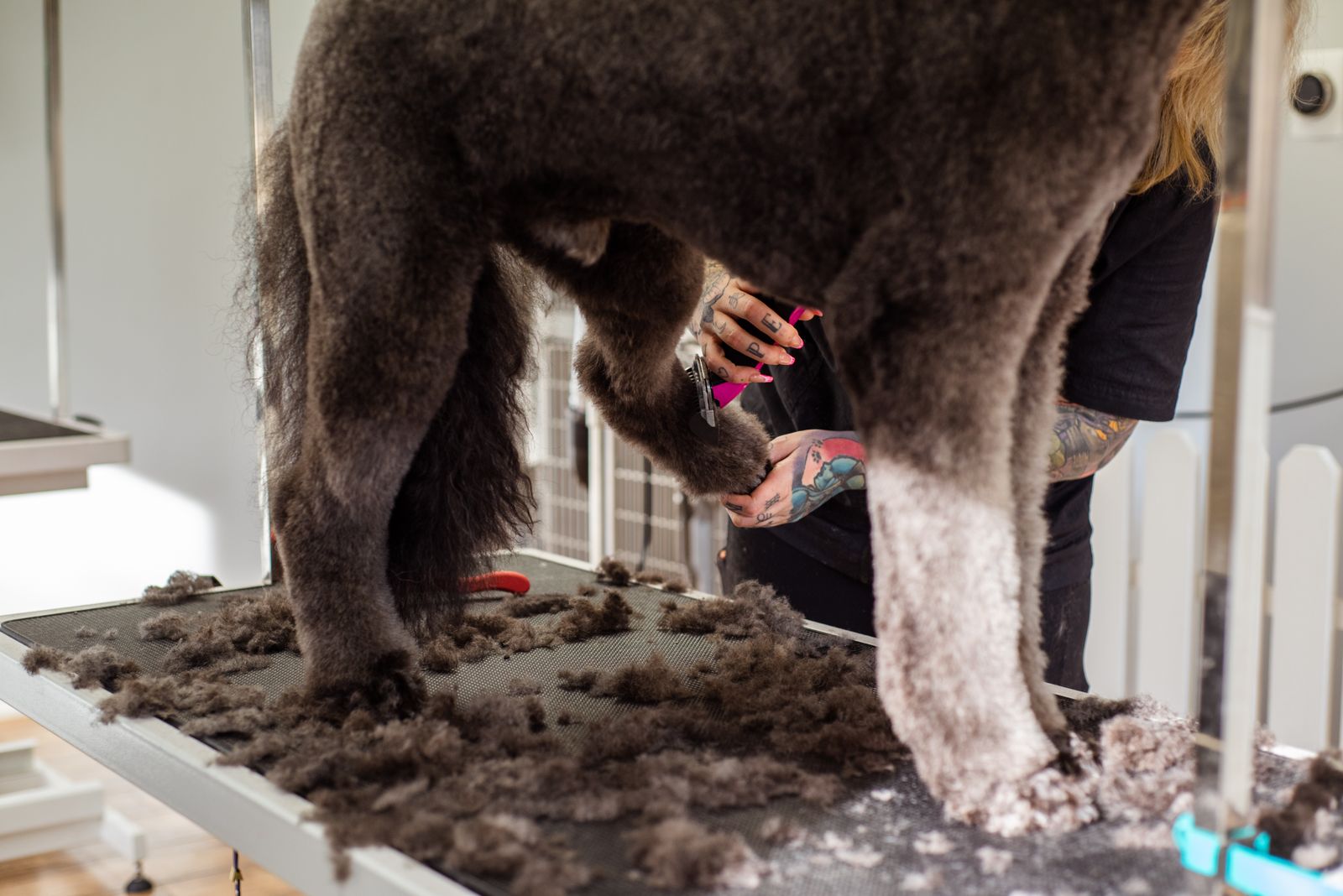
A comfort-first groom looks different from a standard one. The dog may be groomed sitting or lying down for much of the session, standing only in short stretches. The fancy finish gives way to essentials: clean coat, manageable length, nails done, ears and sanitary areas tidied. Sessions can be split across two short visits. Tell the groomer about new medications, new lumps, sore spots, and any change in stamina, because that information sets the pace of the whole appointment.
At home, keep the between-visit work small and frequent: a gentle brush for a few minutes rather than a weekly project, a weekly hands-over lumps check, and nail awareness. Senior dogs that stay on this rhythm rarely arrive at the salon in crisis condition, which is precisely the point, since crisis grooms are the long, hard ones.
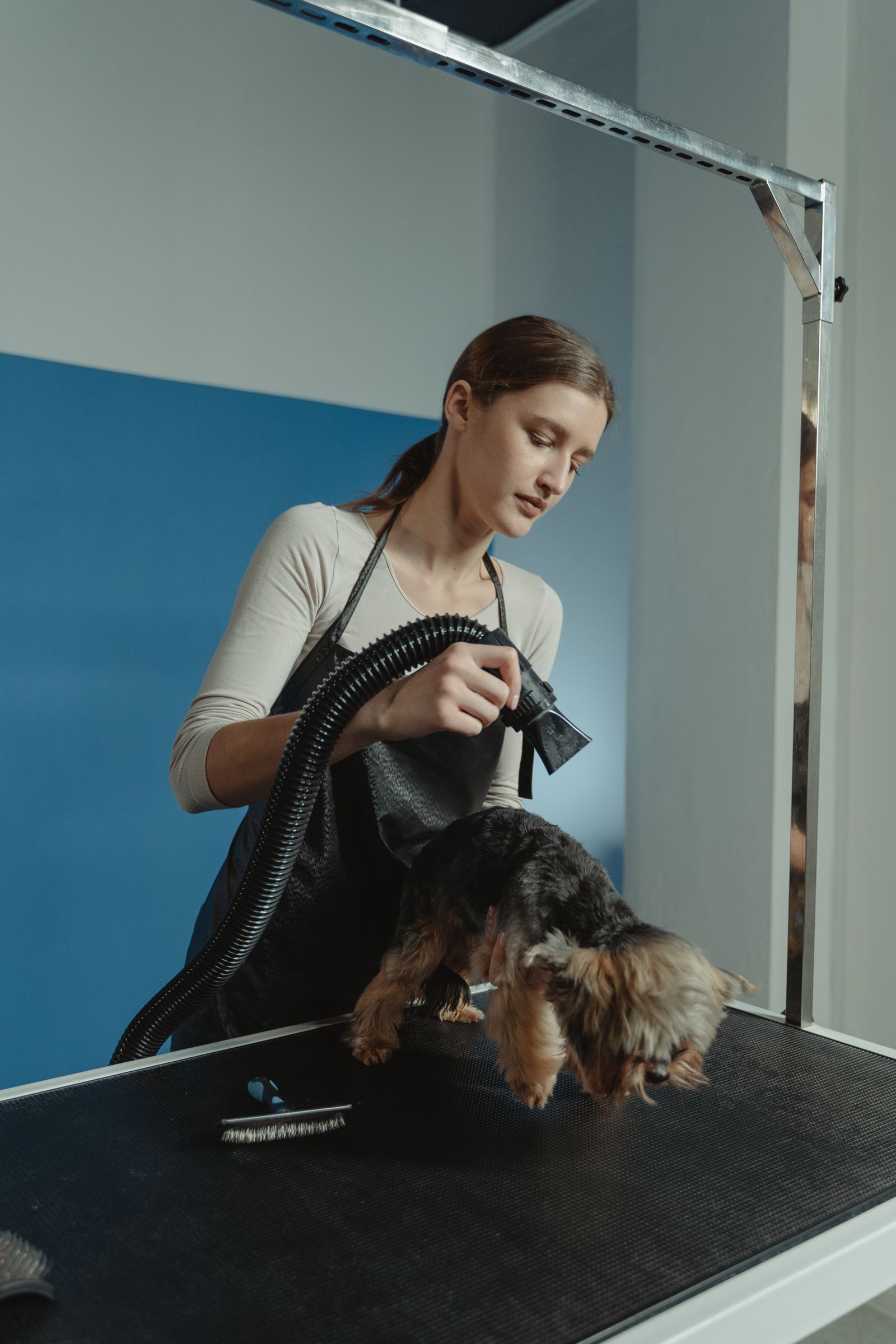
Fort Mill seniors do best close to home base, with a familiar salon, familiar hands, and appointments booked before the coat forces the issue. A groomer at a place like Biscuits & Bubbles Pet Salon who knows your dog's baseline will also notice the subtle changes, a new hesitation on the table, a thinner coat, and tell you. For an aging dog, that watchful continuity is a health service wearing a grooming apron.
Partner with the vet and the groomer together
The seasonal checklist works best when two professionals see the same notes. Ask the groomer to tell you about anything found during appointments, a lump, a sore hip, a patch of skin, and pass those observations to the veterinarian at the next visit, because groomers put hands on the whole dog more often than anyone and their early sightings are genuinely valuable with seniors. At home, keep one small notebook or phone note for changes: appetite, stamina on walks, new sensitivity to touch. Patterns that are invisible week to week become obvious across a season, and that record is what turns a routine vet visit into a useful one for an aging dog.
Common questions
Should my senior dog still be groomed in winter?
Yes. Winter coats mat, skin dries out, and nails keep growing. Ask for warm water, complete drying, and a shorter session rather than skipping the season.
What clip suits an arthritic dog?
A practical, even length that reduces session time and home maintenance. The exact look matters less than a groom the dog can finish comfortably, standing only briefly.
How do I know grooming has become too much for my dog?
Watch the recovery: a dog that is wiped out for a full day afterward needs shorter or split appointments. Tell the groomer, because pacing changes usually solve it.
Photos in this guide are representative stock images.
← All guides from Biscuits & Bubbles Pet Salon← Back to Biscuits & Bubbles Pet Salon